
The Serendipity Experiences

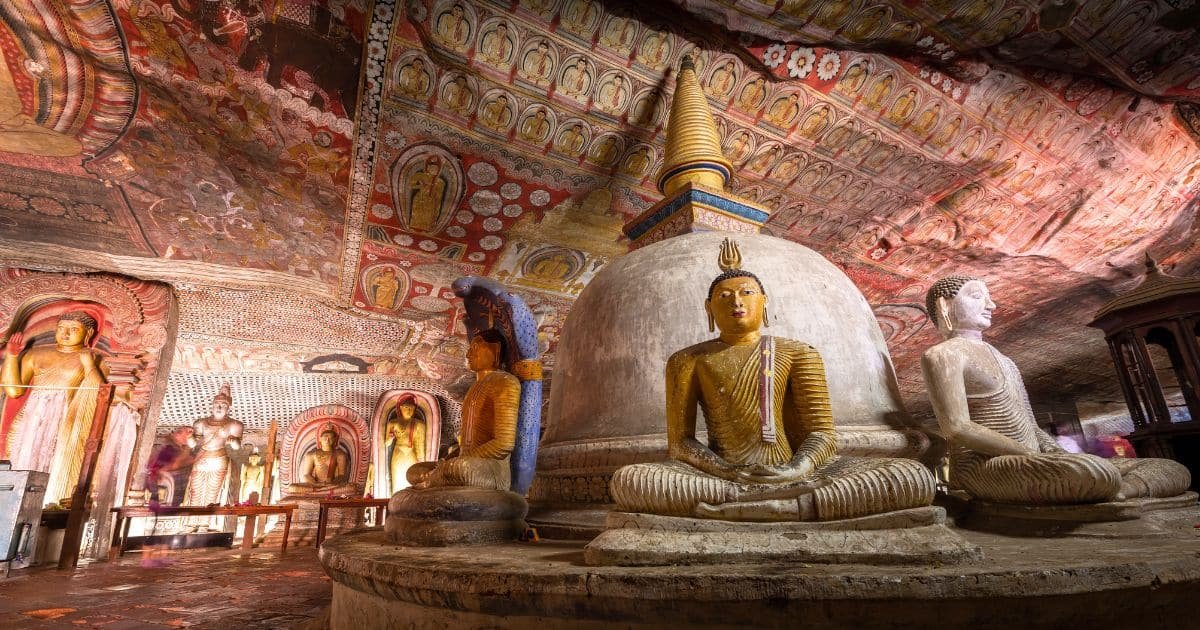
Dambulla Cave Temple interior with Buddha statues and painted ceiling

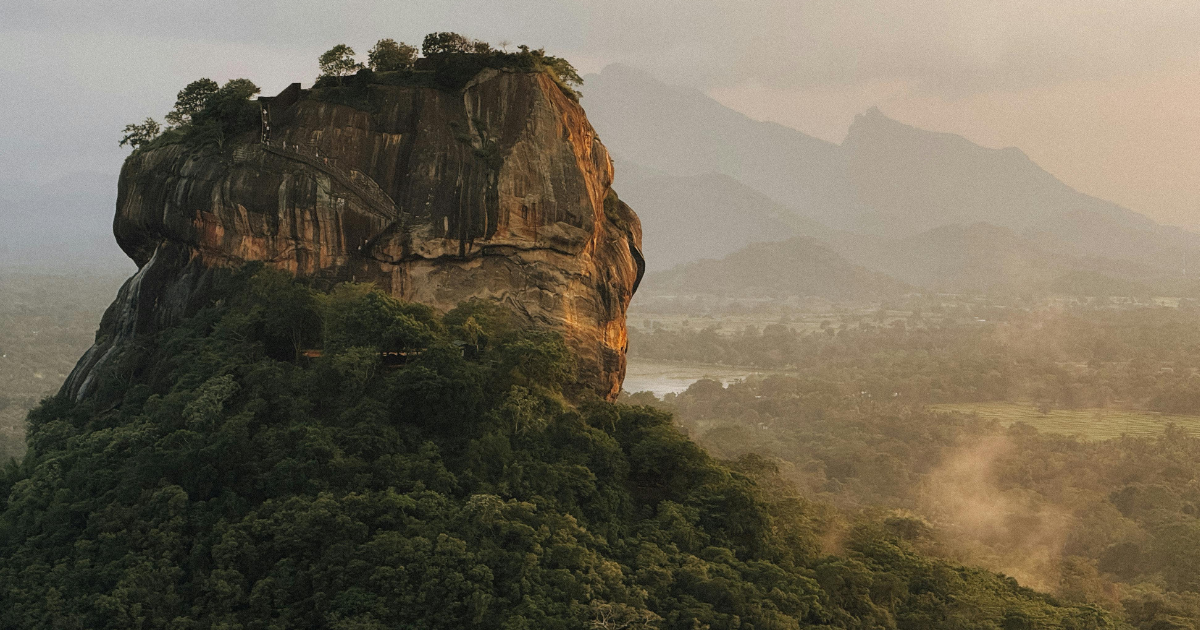
Dambulla is where Sri Lanka’s ancient heritage, extraordinary wildlife, and timeless rural landscapes come together in one remarkable destination. While many visitors arrive to see its famous UNESCO World Heritage Sites, those who stay a little longer discover a region rich in history, nature, and authentic experiences. Here, you can climb an ancient rock fortress at sunrise, explore sacred cave temples adorned with centuries-old murals, watch wild elephants roam across open grasslands, and connect with traditions that have shaped Sri Lanka for generations. Located approximately 150 kilometers northeast of Colombo, Dambulla can be reached in around three and a half to four hours by road. Its central location makes it the ideal base for exploring Sri Lanka’s Cultural Triangle, with many of the country’s most celebrated attractions just a short drive away. At The Serendipity Experiences, we design personalized itineraries that showcase the finest things to do in Dambulla, combining iconic landmarks with carefully curated local experiences and luxury accommodation. Discover the Dambulla Cave Temple No visit to Dambulla is complete without exploring the magnificent Dambulla Cave Temple, one of Sri Lanka’s most significant cultural landmarks and a UNESCO World Heritage Site. Dating back to the 1st century BC, this remarkable complex is the largest and best-preserved cave temple in the country, attracting pilgrims and travelers alike for over two thousand years. Built into a towering granite rock rising more than 160 meters above the surrounding countryside, the temple consists of five interconnected caves filled with over 150 Buddha statues, elaborate murals, and beautifully preserved religious artwork. More than 2,000 square meters of painted ceilings illustrate the life of Buddha alongside important moments in Sri Lankan history, making every chamber feel like an open-air museum carved into the mountainside. As you move through the cool cave interiors, you’ll notice the peaceful atmosphere that continues to define this sacred site. Outside, panoramic views stretch across forests, reservoirs, and distant hills, offering an entirely different perspective of the Cultural Triangle. Visiting early in the morning or later in the afternoon allows you to explore in cooler temperatures while enjoying softer light for photography. Climb Sigiriya Rock Fortress Just 25 minutes from Dambulla stands one of Asia’s greatest archaeological treasures. Rising nearly 200 meters above the surrounding plains, Sigiriya Rock Fortress remains one of Sri Lanka’s most iconic landmarks and an essential experience during your stay. Built by King Kashyapa in the 5th century, Sigiriya served as both a royal palace and an ingenious fortress. The climb takes you through landscaped water gardens, symmetrical terraces, the famous Mirror Wall, and beautifully preserved frescoes before reaching the enormous Lion Platform, where giant stone paws mark the entrance to the summit. From the top, sweeping views extend across dense forests, ancient reservoirs, rural villages, and distant mountain ranges. Standing where an ancient kingdom once flourished offers a remarkable appreciation of Sri Lanka’s engineering, artistry, and history. Setting out shortly after sunrise not only avoids the midday heat but also allows you to experience the site before larger crowds arrive. Experience Sunrise from Pidurangala Rock If you’re looking for one of the finest viewpoints in Sri Lanka, Pidurangala Rock deserves a place on your itinerary. Located only a few minutes from Sigiriya, this climb offers a more adventurous route while rewarding you with breathtaking views across the surrounding landscape. The trail begins at the historic Pidurangala Temple before winding through forest and granite formations. The final section involves climbing across large boulders, but the effort is well worth it. At the summit, you’ll enjoy uninterrupted views of Sigiriya rising dramatically from the jungle, often surrounded by morning mist as the first rays of sunlight illuminate the landscape. Compared to Sigiriya, Pidurangala attracts fewer visitors, making it an excellent choice if you prefer a quieter experience while still enjoying one of Sri Lanka’s most spectacular panoramas. Witness the Elephant Gathering at Minneriya National Park One of the most extraordinary wildlife experiences in Asia lies less than an hour from Dambulla. Minneriya National Park is home to The Gathering, a remarkable natural phenomenon during which hundreds of wild Asian elephants migrate toward the ancient Minneriya Reservoir as surrounding water sources begin to recede. Between July and October, you may witness family herds feeding together along the shoreline, young calves playing in the water, and dominant bulls moving across the grasslands. During peak months, more than 200 elephants can often be seen in a single afternoon, making this one of the largest seasonal gatherings of Asian elephants anywhere in the world. Even outside this period, Minneriya offers rewarding safaris with opportunities to spot spotted deer, sambar deer, crocodiles, purple-faced langurs, toque macaques, and more than 160 bird species. An afternoon game drive is particularly rewarding as wildlife becomes increasingly active before sunset. Immerse Yourself in Village Life Some of Dambulla’s most memorable experiences are found away from its famous landmarks. The surrounding countryside offers an opportunity to experience rural Sri Lanka, where farming traditions and village life continue much as they have for generations. A traditional village experience often begins with a peaceful catamaran ride across a village reservoir before continuing by bullock cart through rice fields and farming communities. Along the way, you’ll gain insight into local agriculture, seasonal crops, and everyday life before arriving at a family home for a freshly prepared Sri Lankan meal. Cooking with local ingredients, learning about traditional farming methods, and sharing stories with village hosts creates a meaningful connection with the region that extends well beyond sightseeing. Explore the Ancient Forest Monastery of Ritigala Approximately one hour from Dambulla lies one of Sri Lanka’s most intriguing hidden treasures. Ritigala Forest Monastery dates back more than 2,000 years and remains surrounded by protected forest, creating an atmosphere of remarkable tranquility. Unlike the grandeur of Sigiriya or the elaborate artwork of Dambulla Cave Temple, Ritigala captivates through simplicity. Ancient stone pathways weave through dense forest, connecting meditation platforms, reservoirs, courtyards, and monastery ruins that have gradually been reclaimed by nature. The peaceful surroundings Top Things to Do in Dambulla, Sri Lanka for an Unforgettable Cultural Escape
Sri Lanka is a small island with a rich and powerful history. For thousands of years, ancient kings, powerful kingdoms and deep Buddhist traditions shaped the country. Today, many ancient and historical places in Sri Lanka still remain, telling stories of the past. As you travel across the island, you will find rock fortresses, sacred temples, and old royal cities. These places are not only historic but also beautiful and meaningful. They help visitors understand Sri Lanka’s culture, beliefs, and heritage. In this article, we explore the top 10 ancient and historical places in Sri Lanka you must visit. These destinations are perfect for history lovers, travelers, and anyone who wants to discover the true beauty of Sri Lanka’s past. 1. Sigiriya Rock Fortress Sigiriya is one of the most famous ancient places in Sri Lanka. It is also known as Lion Rock. This massive rock fortress was built by King Kashyapa in the 5th century. As you climb to the top, you will see ancient frescoes, mirror walls, and lion-shaped gates. From the top, the view is breathtaking. Sigiriya is also a UNESCO World Heritage Site and a true wonder of Sri Lankan history. 2. Anuradhapura Anuradhapura is one of the oldest ancient cities in the world. It was the first capital of Sri Lanka and a strong center of Buddhism. Here, you can see giant stupas, ancient monasteries, and the sacred Sri Maha Bodhi tree. This tree is over 2,000 years old. Anuradhapura is a key destination for anyone interested in historical places in Sri Lanka. 3. Polonnaruwa Polonnaruwa was the second ancient capital of Sri Lanka. It is well known for its well-preserved ruins and stone carvings. The Gal Vihara statues are a major highlight. These massive Buddha statues were carved from a single rock. Polonnaruwa shows how advanced ancient Sri Lankan civilization was. 4. Dambulla Cave Temple The Dambulla Cave Temple is the largest cave temple complex in Sri Lanka. It contains over 150 Buddha statues and beautiful wall paintings. This sacred place has been used by monks for over 2,000 years. It is another UNESCO World Heritage Site and an important ancient Buddhist place in Sri Lanka. 5. Temple of the Sacred Tooth Relic Located in Kandy, this temple is one of the most sacred Buddhist sites in the world. It houses the tooth relic of Lord Buddha. The temple is also linked with Sri Lankan kings and royal traditions. Daily rituals and festivals make this place lively and spiritual. 6. Galle Fort Galle Fort is a beautiful mix of Sri Lankan and European history. Built by the Portuguese and later expanded by the Dutch, it stands strong even today. As you walk inside the fort, you will see old houses, churches, and narrow streets. Galle Fort is a UNESCO World Heritage Site and a top historical place in Sri Lanka. 7. Mihintale Mihintale is known as the birthplace of Buddhism in Sri Lanka. It is where Buddhism was first introduced to the island. The site includes ancient steps, stupas, and meditation caves. Mihintale is peaceful, spiritual, and full of history. 8. Yapahuwa Rock Fortress Yapahuwa was once a royal fortress and capital. It is famous for its detailed stone staircase. This site was built for protection during times of invasion. Today, it stands as a reminder of ancient Sri Lankan strength and art. 9. Ritigala Ritigala is an ancient monastery hidden inside a forest. It is less crowded and very calm. The ruins, stone paths, and natural surroundings make it special. Ritigala is perfect for travelers who enjoy history and nature together. 10. Jaffna Fort Jaffna Fort is one of the largest forts in Sri Lanka. It was built by the Portuguese and later used by the Dutch and British. The fort reflects the rich and complex history of northern Sri Lanka. It is a must-visit historical site in Sri Lanka. Final Thoughts Sri Lanka is truly a land of history, culture, and ancient beauty. From rock fortresses to sacred temples, each place tells a powerful story. If you are planning a trip, make sure to include these top ancient and historical places in Sri Lanka. They will give you memories, knowledge, and a deeper connection to this amazing island. Frequently Asked Questions

Sri Lanka’s Cultural Triangle is one of the most fascinating regions in the country. It is filled with ancient cities, sacred temples, royal palaces and timeless traditions. This area shows the true soul of Sri Lanka and its long history that goes back thousands of years. For travelers who love culture, history, and meaningful experiences, the Cultural Triangle is the perfect destination. It is calm, spiritual, and deeply connected to Buddhism and ancient kingdoms. At the same time, it offers beautiful landscapes, village life and unforgettable views. In this complete travel guide, you will discover what the Cultural Triangle is, why it is special, the best places to visit, and useful travel tips. Whether you are a first-time visitor or a returning traveler, this guide will help you plan your journey with ease. What Is Sri Lanka’s Cultural Triangle? The Cultural Triangle is a historic region located in the heart of Sri Lanka. It connects three important ancient cities that once served as royal capitals. These cities played a major role in shaping the country’s culture, religion and architecture. The three main points of the triangle are: Within this region, you will find UNESCO World Heritage Sites, sacred Buddhist places and well-preserved ruins. Because of this rich heritage, the Cultural Triangle is considered one of the most important cultural zones in Asia. Why the Cultural Triangle Is So Special? The Cultural Triangle is special for many reasons. First of all, it tells the story of Sri Lanka’s ancient civilization. Every stone, statue and temple has a history behind it. As you move from one city to another, you travel through different periods of time. Secondly, the region is deeply spiritual. Many of the sites are still active religious places. Local people come to worship, meditate, and celebrate important festivals. This creates a peaceful and respectful atmosphere for visitors. In addition, the Cultural Triangle is surrounded by nature. You will see lakes, forests, wildlife, and traditional villages. This balance of culture and nature makes the journey even more meaningful. Anuradhapura Anuradhapura is one of the oldest continuously inhabited cities in the world. It was the first capital of ancient Sri Lanka and a powerful center of Buddhism. This city is famous for its massive stupas, ancient monasteries, and sacred trees. The most important site here is the Sri Maha Bodhi tree. It is grown from a branch of the original Bodhi tree under which Buddha attained enlightenment. As you walk through Anuradhapura, you will feel a strong spiritual presence. The city is large, so visitors often use bicycles or tuk-tuks to explore. Spending a full day here is highly recommended. Polonnaruwa Polonnaruwa became the capital after Anuradhapura. Today, it is one of the best-preserved ancient cities in Sri Lanka. Here, you will see royal palaces, audience halls, bathing pools, and beautifully carved stone temples. One of the highlights is Gal Vihara, which features large Buddha statues carved into solid rock. Because the sites are close to each other, Polonnaruwa is ideal for cycling. The flat paths and scenic surroundings make the experience enjoyable and relaxing. Sigiriya Sigiriya is one of Sri Lanka’s most famous landmarks and a true wonder of ancient engineering. This massive rock fortress rises high above the jungle and can be seen from far away. At the base, you will find beautiful water gardens and ancient frescoes. As you climb higher, the views become more breathtaking. At the top, the ruins of the royal palace and panoramic scenery await you. Although the climb includes many steps, it is safe and well-organized. Early morning visits are best to avoid heat and crowds. Dambulla Cave Temple Located close to Sigiriya, Dambulla is home to the famous Dambulla Cave Temple. This sacred site has been used for worship for over 2,000 years. Inside the caves, you will see hundreds of Buddha statues and colorful wall paintings. The atmosphere inside is calm and deeply spiritual. From the top, you can also enjoy a beautiful view of the surrounding area. Best Time to Visit the Cultural Triangle The best time to visit Sri Lanka’s Cultural Triangle is from November to April. During this period, the weather is mostly dry and pleasant. However, the region can be visited all year round. It is best to plan sightseeing in the early morning or late afternoon to avoid strong sun. Getting Around the Cultural Triangle Traveling within the Cultural Triangle is easy and flexible. Popular options include: For comfort and time-saving, many travelers choose private transport, especially when visiting multiple sites in a short time. Helpful Travel Tips To enjoy your trip fully, remember these simple tips: Taking things slow will help you enjoy each place more deeply. Final Thoughts Sri Lanka’s Cultural Triangle is not just about sightseeing. It is about understanding history, culture, and spirituality in one journey. From ancient capitals to sacred temples, every destination has a story to tell. If you want to experience the true heart of Sri Lanka, the Cultural Triangle should be at the top of your travel list.

Translate »
CHAT