

Bird Watching in Sri Lanka: Discovering One of Asia’s Finest Avian Destinations
Sri Lanka may be best known for its golden beaches, ancient cities, and tea-covered hills, but few travellers realise that the island is also one of the world’s most rewarding destinations for bird watching.
Despite its modest size, Sri Lanka supports more than 450 recorded bird species, including over 30 endemic birds found nowhere else on Earth. From lowland rainforests and misty montane grasslands to coastal wetlands and dry-zone national parks, the island’s remarkable diversity of habitats allows bird enthusiasts to experience an astonishing variety of species within relatively short travel distances.
For both experienced birders and curious nature lovers, bird watching in Sri Lanka offers an opportunity to explore landscapes that are as spectacular as the wildlife itself.
Sinharaja Rainforest
Widely regarded as the country’s premier birding destination, the UNESCO-listed Sinharaja Forest Reserve is one of the last remaining stretches of primary tropical rainforest in Sri Lanka. Situated approximately 160 kilometres from Colombo, the reserve can be reached in around four to five hours by road and rewards visitors with some of the finest bird watching in South Asia.
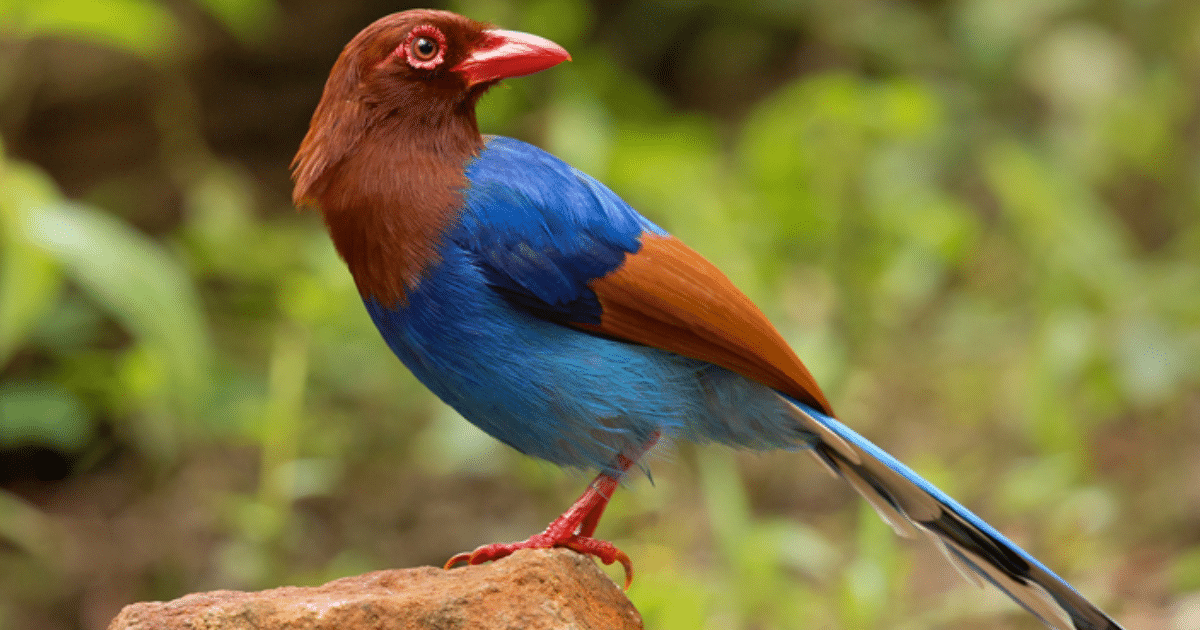
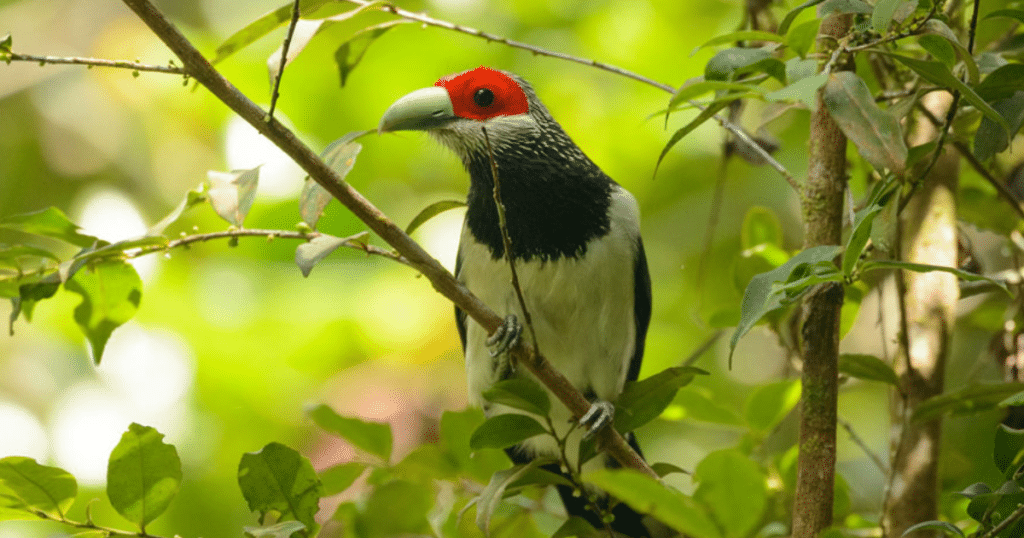
Sinharaja is particularly celebrated for its exceptional concentration of endemic species. The brilliantly coloured Sri Lanka Blue Magpie, often considered one of the island’s most beautiful birds, is frequently seen alongside the elusive Red-faced Malkoha and the unusual Green-billed Coucal.
Birders may also encounter the Ashy-headed Laughingthrush, Sri Lanka Spurfowl, Spot-winged Thrush, and the striking Sri Lanka Crested Drongo. One of the rainforest’s most fascinating spectacles is the mixed-species feeding flock, where numerous endemic birds move together through the forest canopy in search of food.
The best time to visit Sinharaja is between December and April, when rainfall is relatively lower, and trails are easier to navigate. Although bird watching in Sri Lanka is possible throughout the year, the southwest monsoon from May to September often brings heavy rain and reduced visibility, making forest excursions more challenging.
Bundala National Park
Located roughly 250 kilometres southeast of Colombo, Bundala National Park is one of Sri Lanka’s most important wetland ecosystems and a designated Ramsar site. The journey from the capital takes approximately five hours, making Bundala an excellent addition to southern Sri Lanka itineraries.
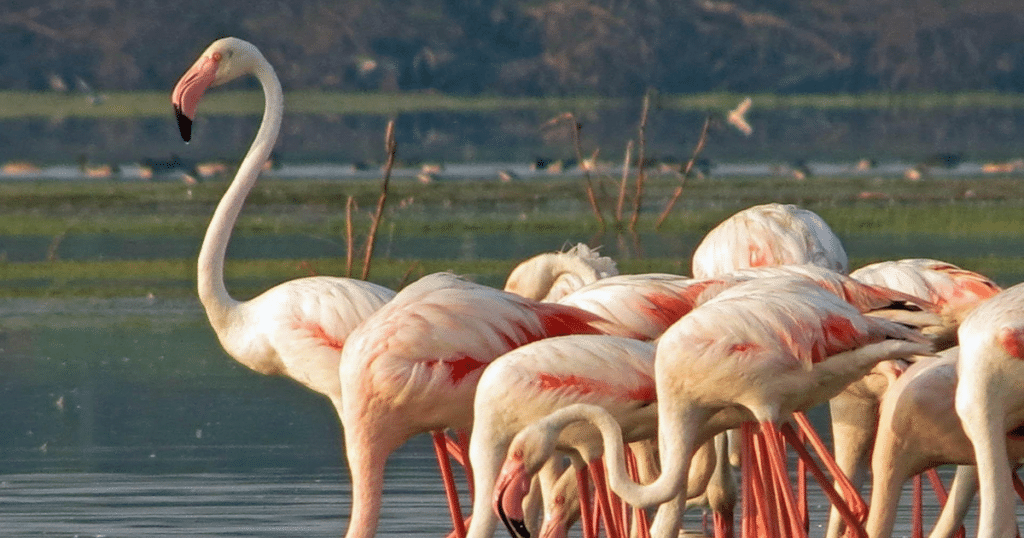
Unlike the dense forests of Sinharaja, Bundala’s lagoons, salt pans, and marshlands attract vast numbers of waterbirds and migratory species arriving from Europe and Central Asia. During the migration season, which peaks between November and March, thousands of Greater Flamingos gather in the park, creating one of the most memorable wildlife spectacles in the country. Painted Storks, Eurasian Spoonbills, Black-headed Ibises, pelicans, and numerous species of herons and egrets can also be seen feeding in the shallow wetlands.
The cooler months of November through March provide the greatest diversity of birdlife. Outside this period, many migratory visitors depart, although resident species continue to thrive year-round.
Horton Plains National Park
High in Sri Lanka’s central mountains, Horton Plains National Park presents an entirely different ecosystem. Situated around 180 kilometres from Colombo and approximately five to six hours by road, the park sits at elevations exceeding 2,000 metres and offers cool temperatures rarely associated with tropical Asia.
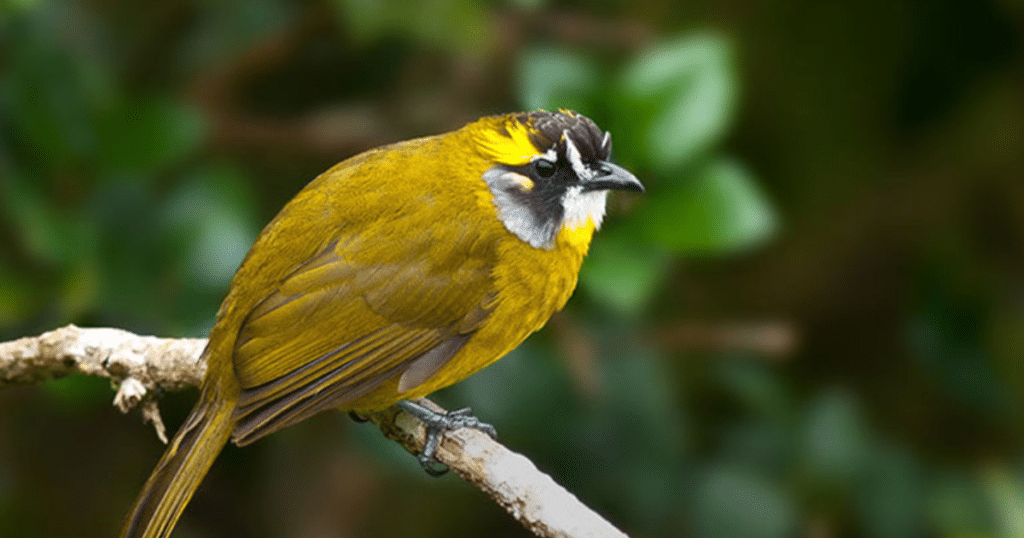
The cloud forests and grasslands of Horton Plains support several highland endemic birds that are difficult to observe elsewhere. Among the most sought-after species are the Sri Lanka Whistling Thrush, Yellow-eared Bulbul, Dull-blue Flycatcher, and Sri Lanka White-eye. Early mornings often provide excellent opportunities for sightings, particularly near World’s End and Baker’s Falls, where birds are most active before mist begins to envelop the landscape.
January through April generally offers the clearest weather and best visibility. During October and November, heavy mist and rain can reduce bird activity and limit the chances of successful sightings.
Kumana National Park
Although neighbouring Yala National Park receives greater attention, Kumana National Park on the southeastern coast is considered by many naturalists to be Sri Lanka’s finest sanctuary for waterbirds. Located approximately 320 kilometres from Colombo, the park requires a journey of seven to eight hours but rewards visitors with remarkable biodiversity.
Kumana’s wetlands and mangrove habitats attract thousands of nesting birds each year. The famous Kumana Villu swamp becomes a breeding ground for Painted Storks, Black-necked Storks, Openbill Storks, pelicans, egrets, and ibises. Raptors such as Brahminy Kites are also commonly seen soaring above the lagoons.
The months between April and July are especially rewarding, as breeding colonies are highly active during this period. Seasonal rains associated with the northeast monsoon can occasionally affect accessibility during the latter part of the year.
Kitulgala Forest Reserve
Just under three hours from Colombo, Kitulgala is among the easiest birding destinations to access from the capital. Surrounded by lush forests and famous for its scenic river valley, the region offers an excellent opportunity to observe several endemic species without travelling deep into the island.
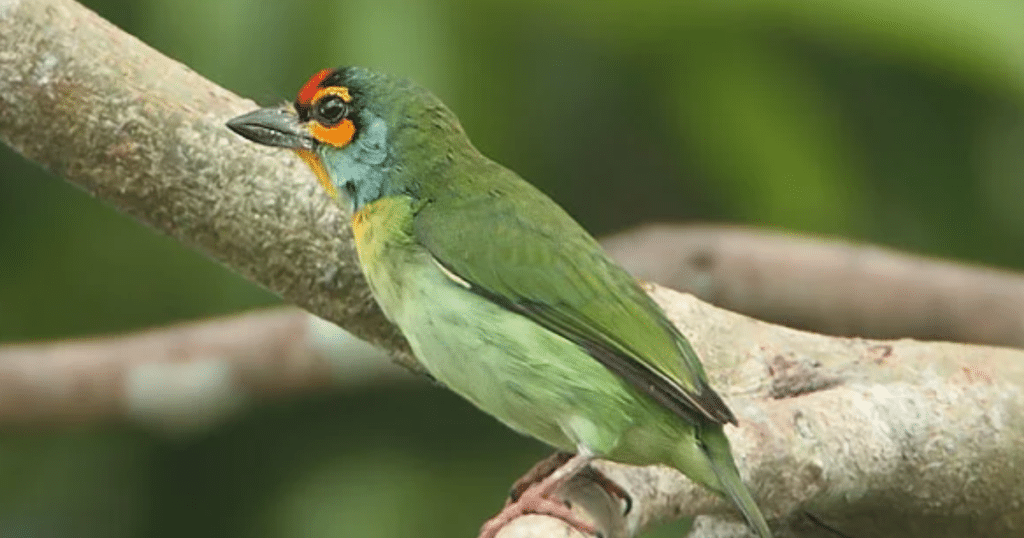
Kitulgala’s forests support birds such as the Chestnut-backed Owlet, Yellow-fronted Barbet, Crimson-fronted Barbet, Black-capped Bulbul, Sri Lanka Hanging Parrot, and Layard’s Parakeet. The relatively open forest structure allows photographers and bird enthusiasts to enjoy particularly rewarding encounters.
December to April is generally considered the most favourable period for bird watching, although the area remains productive throughout much of the year.
Wilpattu National Park
Located approximately four hours north of Colombo, Wilpattu National Park is often associated with leopard safaris, yet its birdlife is equally impressive. The park’s distinctive natural lakes, known locally as villus, provide ideal habitats for numerous species.
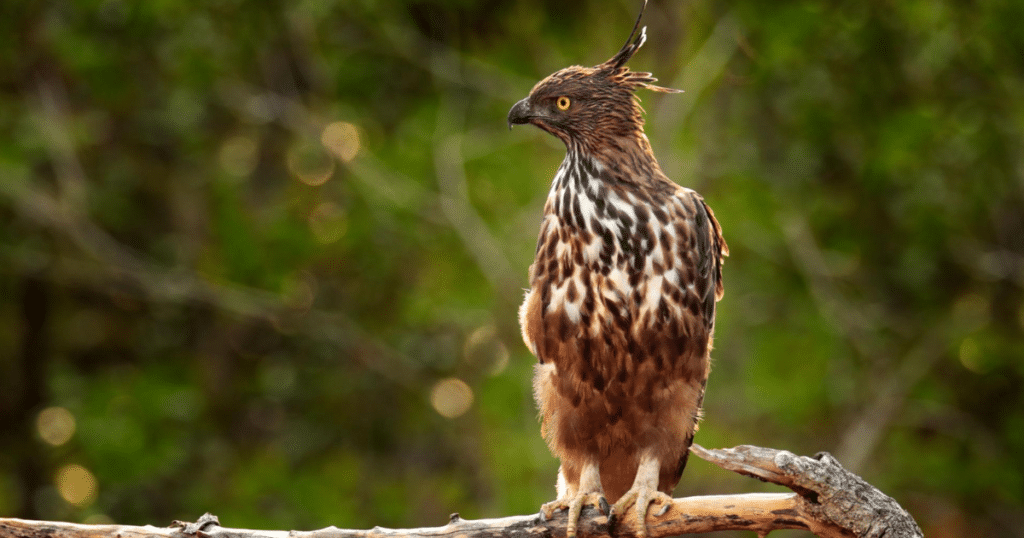
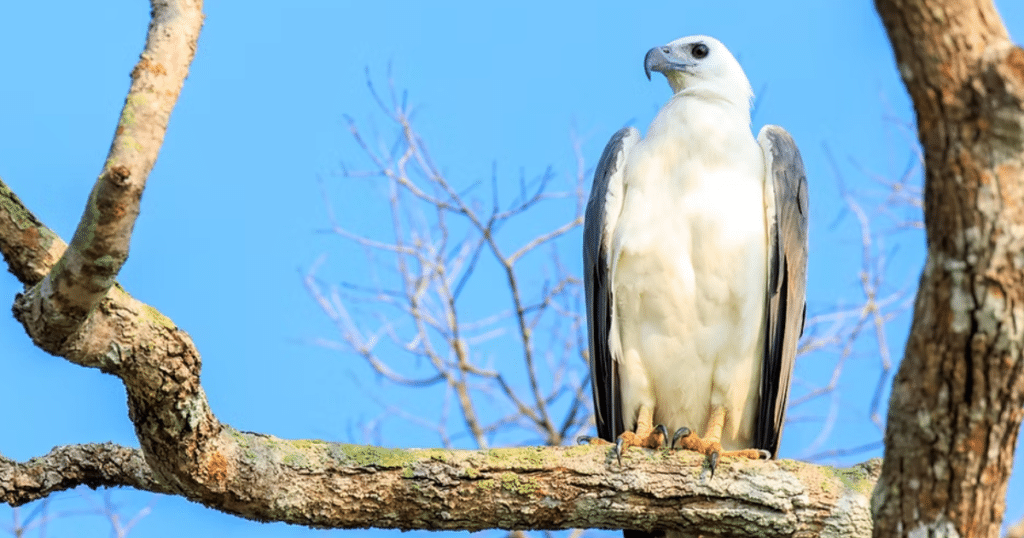
Visitors regularly encounter White-bellied Sea Eagles, Changeable Hawk-Eagles, Crested Serpent Eagles, Lesser Adjutants, Painted Storks, and the vibrant Indian Peafowl, Sri Lanka’s national bird. The combination of open water, scrubland, and forest creates excellent conditions for observing both resident and migratory species.
The dry season from February to October generally offers the most reliable wildlife viewing conditions. Heavy rainfall during November and December occasionally results in temporary closures and difficult driving conditions.
Kalametiya Bird Sanctuary
Situated near Tangalle and approximately four hours from Colombo, Kalametiya Bird Sanctuary remains one of the island’s lesser-known birding destinations. Its peaceful lagoons, mangrove forests, and marshlands provide refuge for over 180 species and offer a quieter alternative to the more famous national parks.
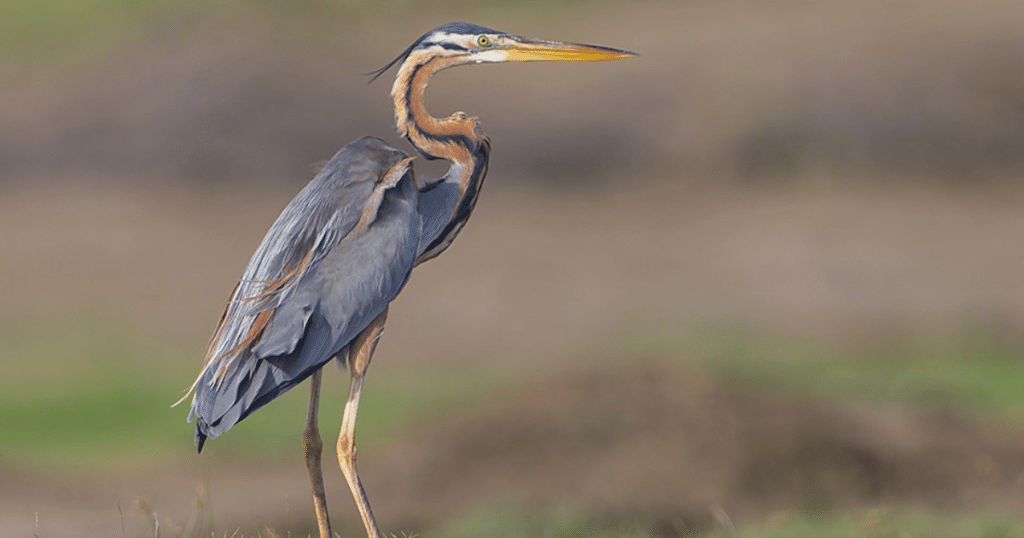
Kingfishers, Purple Herons, egrets, cormorants, bee-eaters, and marsh harriers are frequently seen throughout the sanctuary. Sunrise boat rides through the calm waterways provide some of the most serene bird-watching experiences in southern Sri Lanka.
The sanctuary is particularly rewarding between November and April when weather conditions are generally more stable and migratory species are present.
Essential Tips for Bird Watching in Sri Lanka
- Start early and be in position before sunrise. Many of Sri Lanka’s forest birds are most active during the first two hours of daylight. In locations such as Sinharaja and Kitulgala, arriving before sunrise often results in significantly better sightings than later morning visits.
- Hire an experienced birding naturalist. Many endemic species are difficult to locate without trained guides who recognise calls and feeding patterns. A knowledgeable naturalist can dramatically increase the number of species seen during a single excursion.
- Visit during the migratory season if species diversity is a priority. Between November and March, wetlands such as Bundala, Kalametiya, and Kumana host thousands of migratory birds arriving from Europe, Central Asia, and Siberia.
- Carry binoculars with at least 8x or 10x magnification. Many species remain high in the canopy or at considerable distances across wetlands. Good optics can transform the overall experience.
- Wear muted colours and avoid bright clothing. Earth tones such as green, brown, beige, and grey help visitors blend into the environment and minimise disturbance to wildlife.
- Allow at least two mornings at major birding sites. Conditions change daily, and many sought-after species are not guaranteed sightings. Multiple visits significantly improve success rates, particularly in rainforest habitats.
Experience Sri Lanka’s Remarkable Birdlife with The Serendipity Experiences
Bird watching in Sri Lanka is far more than a specialised hobby. It is an opportunity to step into ancient rainforests at dawn, explore secluded wetlands alive with migratory visitors, and witness species that exist nowhere else in the world. Few destinations offer such extraordinary biodiversity within such short travel distances, making Sri Lanka one of Asia’s most compelling destinations for nature enthusiasts.
At The Serendipity Experiences, we create carefully curated journeys that combine exceptional birding opportunities with personalised service, luxury accommodation, and expert local knowledge.
If you are ready to discover one of the world’s most fascinating bird-watching destinations, we invite you to begin planning your journey with The Serendipity Experiences and experience Sri Lanka through the sights and sounds of its remarkable birdlife.
Frequently Asked Questions
The ideal period is generally December to April, when most rainforest and highland sites like Sinharaja and Horton Plains have lower rainfall and clearer trails. For wetland birding, November to March is best since this is peak migratory season at parks like Bundala and Kalametiya.
Sinharaja Rainforest is considered the country’s top destination for endemic species, home to the Sri Lanka Blue Magpie, Red-faced Malkoha, and Green-billed Coucal. Kitulgala and Horton Plains are also excellent for spotting endemics closer to or above sea level.
Bundala National Park is the top spot, with thousands of Greater Flamingos arriving alongside Painted Storks and Eurasian Spoonbills during peak migration between November and March. Kumana and Kalametiya also attract large numbers of migratory and nesting waterbirds.
Sinharaja is about 160 kilometres from Colombo, roughly a four to five hour drive, making it a feasible day trip or overnight excursion for birders based in the capital.
Yes. Sri Lanka supports over 450 recorded bird species in a relatively compact area, so even short trips can yield diverse sightings. Kitulgala, just under three hours from Colombo, is one of the easiest and most accessible sites for those new to birding.
Hiring an experienced birding naturalist is highly recommended, since many endemic species are difficult to locate without a guide who knows their calls and feeding patterns, significantly improving the number of species spotted per outing.