

Top Things to Do in Galle Fort, Sri Lanka for a Luxury Heritage Escape
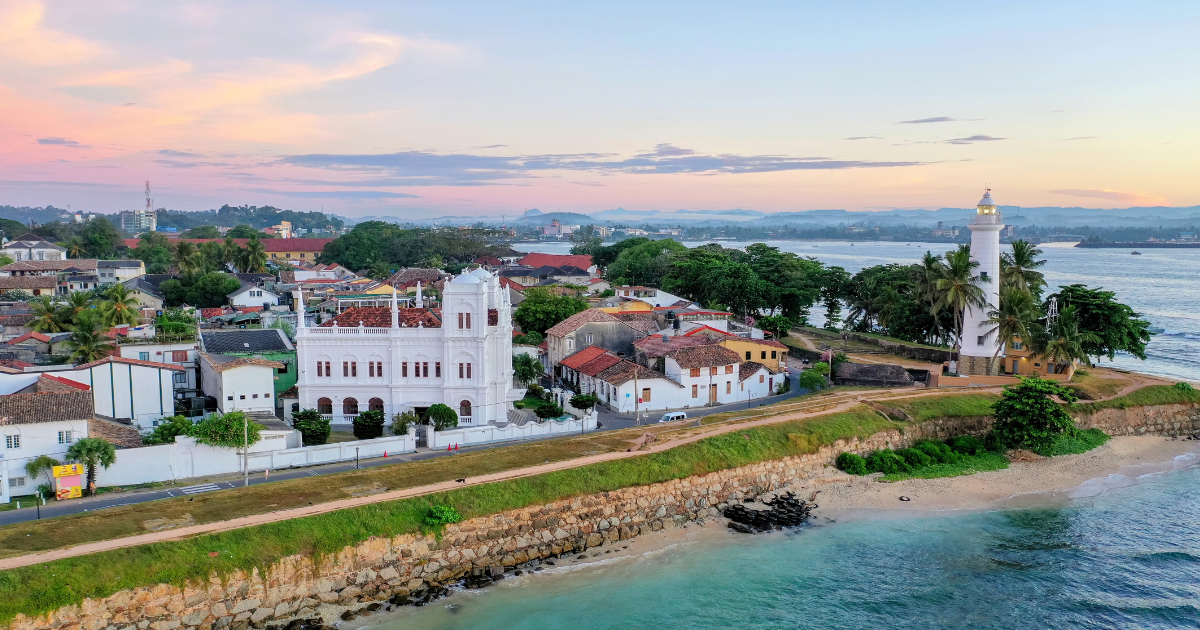
Galle Fort is one of Sri Lanka’s most distinctive heritage destinations, where centuries of European colonial history meet South Asian architecture, coastal scenery, independent boutiques, galleries, restaurants, and elegant restored buildings. Built on a rocky peninsula overlooking the Indian Ocean, the fortified old town remains a living part of Galle rather than a preserved monument frozen in time.
The fort was founded by the Portuguese in the 16th century and substantially developed by the Dutch during the 17th and 18th centuries. British administration later left its own mark on the town. In 1988, the Old Town of Galle and its Fortifications were inscribed as a UNESCO World Heritage Site for its exceptional combination of European planning and South Asian architectural traditions.
For you as a visitor, the appeal lies in walking through the old streets, following the ocean-facing ramparts, stepping inside historic buildings, and seeing how this remarkable fortified town continues to function as a residential and commercial quarter.
Walk the Galle Fort Ramparts
The ramparts are the best place to begin exploring Galle Fort. They extend around the rocky peninsula, separating the historic town from the Indian Ocean and harbour.
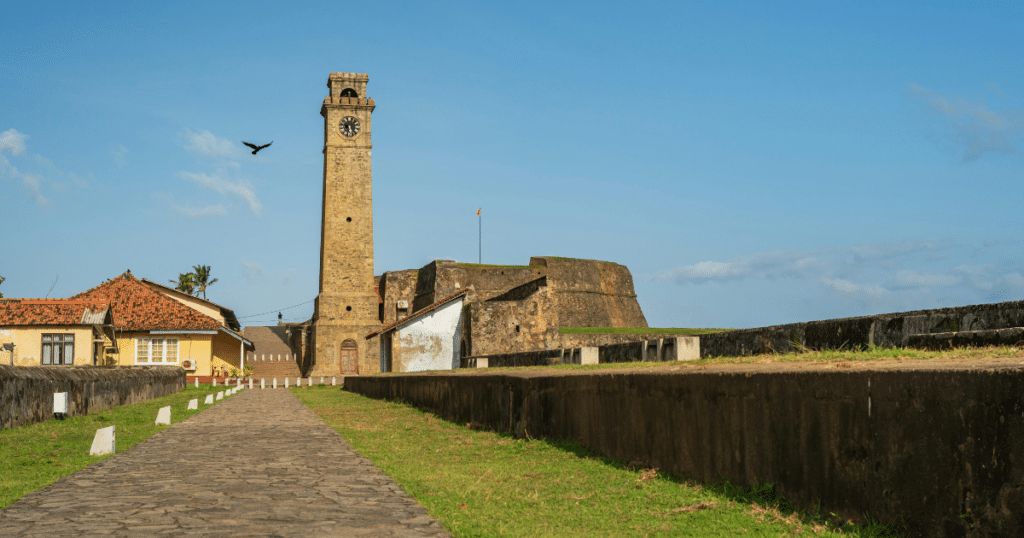
The fortifications were developed over several periods, with the Dutch significantly strengthening the existing Portuguese defenses. UNESCO records the fort’s system of bastions and walls as an important example of European fortification engineering adapted to the geography of South Asia.
Start near the Galle Lighthouse and follow the walls along the ocean side. The route takes you past several historic bastions and provides uninterrupted views across the Indian Ocean. In the late afternoon, the western ramparts are particularly attractive as the light softens over the water. The walk is relatively easy, but there are uneven sections and exposed areas, so comfortable footwear is useful.
See the Galle Lighthouse
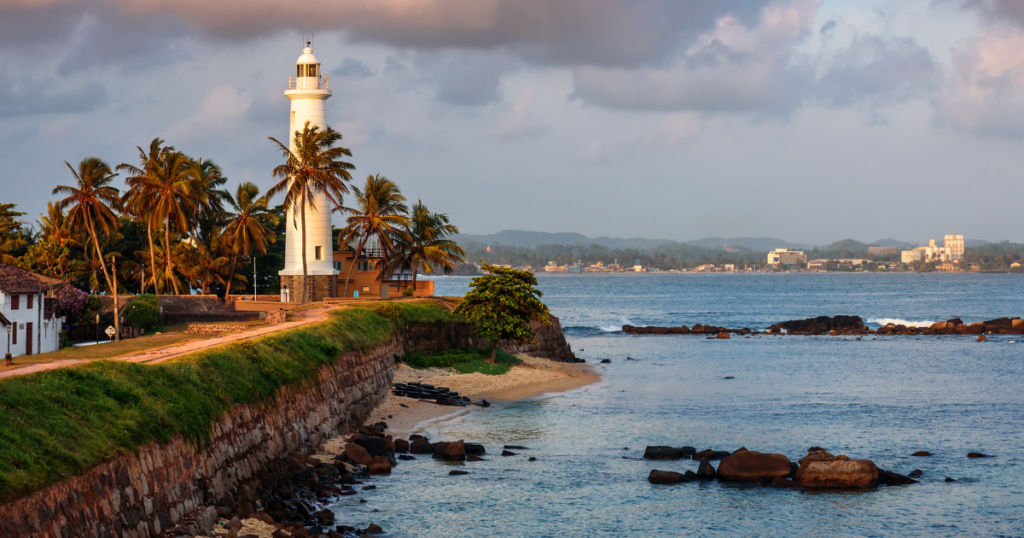
Standing on the southeastern edge of the fort, the Galle Lighthouse is one of the city’s most recognizable landmarks.
The present lighthouse dates from the 20th century, replacing an earlier British lighthouse that was destroyed by fire in 1934. Its position on the ramparts makes it an especially photogenic part of the fort, with the white tower contrasting against the old stone walls and tropical vegetation.
Walk around the surrounding ramparts rather than viewing the lighthouse in isolation. The combination of the tower, ocean, fortifications, and nearby streets gives you a better understanding of how the old city occupies its narrow coastal peninsula.
Explore the Dutch Reformed Church
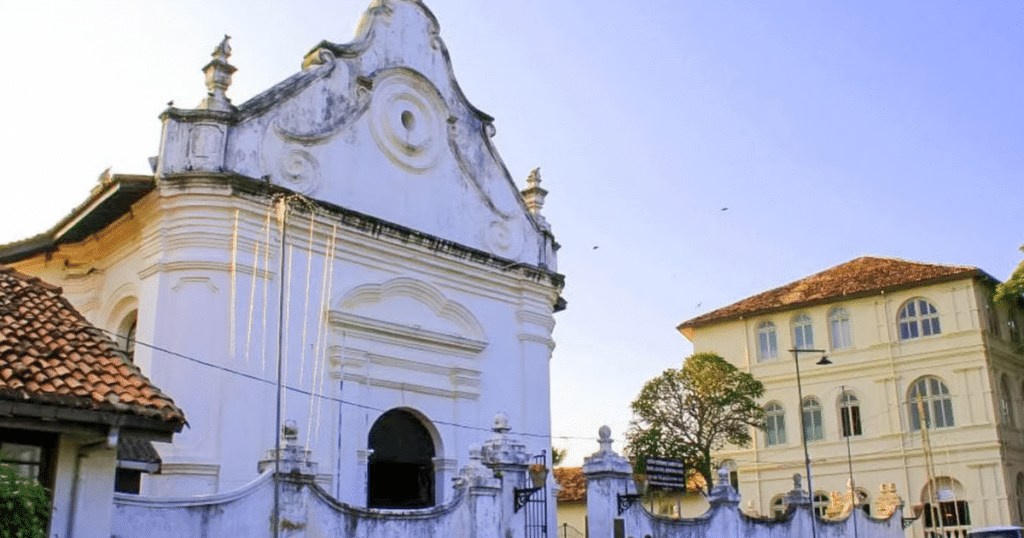
The Dutch Reformed Church, also known as Groote Kerk, is one of the most important historic buildings inside Galle Fort. The present church dates primarily to the 18th century and reflects the Dutch period when Galle was an important administrative and commercial center. Its restrained exterior contrasts with the more elaborate religious architecture found elsewhere in Asia.
Inside, historic gravestones and memorials provide a direct connection to the colonial population that once lived and worked within the fort. The church is particularly valuable as part of the wider architectural story of Galle because it remains within an intact historic street network rather than standing as an isolated monument.
Walk Through the Old Streets
One of the best things to do in Galle Fort is simply to walk without following a strict route. The streets preserve the old urban layout, with narrow lanes lined by historic houses, verandas, courtyards, shops, restaurants, churches, and former administrative buildings. UNESCO specifically identifies the street grid, narrow street houses, shaded verandas, and internal courtyards as important characteristics of the World Heritage property.
Look beyond the most photographed streets. Some of the most interesting architectural details are found in quieter lanes, where you can see timber doors, high walls, tiled roofs, old ventilation features, and shaded verandas incorporated into buildings that remain part of everyday life. This is one of the defining characteristics of Galle Fort: it is still a functioning town.
Discover the Historic Dutch Architecture
Galle Fort’s architecture is not purely European. Its significance comes from the way European planning and construction were adapted to Sri Lanka’s climate, materials, craftsmanship, and established building traditions.
Many historic houses feature internal courtyards, deep verandas, high ceilings, and shaded openings designed for ventilation. Coral and granite were used extensively in the fortifications, while local building traditions influenced the residential architecture.
As you explore, notice how different buildings respond to the tropical climate. The architecture is not simply decorative. Courtyards, shaded passages, thick walls, and ventilation were practical responses to heat and humidity. For travelers interested in architecture, a private heritage walk with a knowledgeable guide can reveal details that are easy to miss when exploring independently.
Visit the National Maritime Archaeology Museum
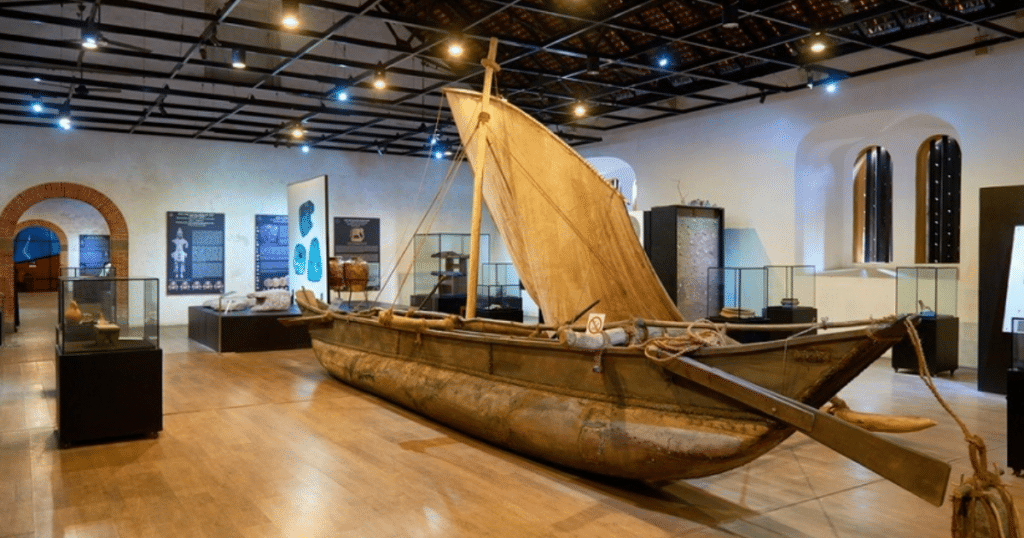
Galle’s location has always been closely connected to maritime trade, and the National Maritime Archaeology Museum provides context for that history. The museum occupies a historic Dutch building within the fort and focuses on Sri Lanka’s maritime archaeological heritage. Its collections include material connected with maritime trade, shipwrecks, navigation, and the country’s long relationship with the Indian Ocean.
The museum adds useful context to what you see outside. The fort was not simply a military installation. Galle developed as a strategic port connected to commercial routes across the Indian Ocean, linking Sri Lanka with wider Asian, European, and Middle Eastern trading networks.
See the Old Gate and Maritime Gateway
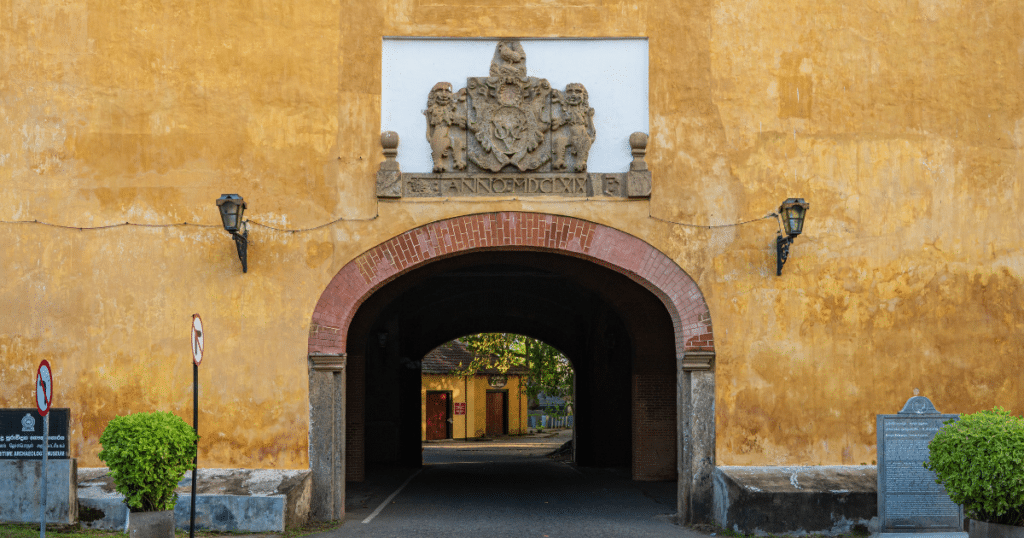
The Old Gate provides another insight into Galle’s colonial history. Located on the harbor side of the fort, it formed part of the original access system and carries the VOC emblem associated with the Dutch East India Company. The more substantial Main Gate on the northern side was developed later and remains one of the principal entrances into the old town.
Walking between these entrances gives you a sense of how the fort operated as a controlled urban and commercial center. The defensive walls were designed around the peninsula’s natural geography rather than imposing a perfectly geometric European fortress plan. UNESCO specifically identifies this adaptation to the site’s rocky terrain as an important part of Galle’s architectural significance.
Discover the Bastions
Galle Fort contains a network of historic bastions, each occupying a strategic position along the walls. The Utrecht Bastion, Flag Rock Bastion, Akbar Bastion, Aurora Bastion, and Point Utrecht Bastion, among others, formed part of the defensive system developed and expanded during the colonial period.
Today, the bastions are particularly useful for understanding the geography of the fort. Some provide elevated views over the sea, while others look toward the harbor or surrounding city.
Rather than trying to visit every bastion, choose several along the ramparts and use them as stopping points during your walk.
Watch the Sunset from the Ramparts
The western ramparts are one of the most atmospheric places in Galle to end the day. As the sun drops toward the horizon, locals and visitors gather along the walls overlooking the ocean. The setting is simple but memorable: old stone fortifications beneath your feet, fishing boats and the open Indian Ocean ahead, and the historic buildings of the fort behind you.
For a more private experience, a curated sunset walk can be combined with drinks or dinner at one of the fort’s restored heritage properties.
Explore Galle Fort’s Boutiques and Galleries
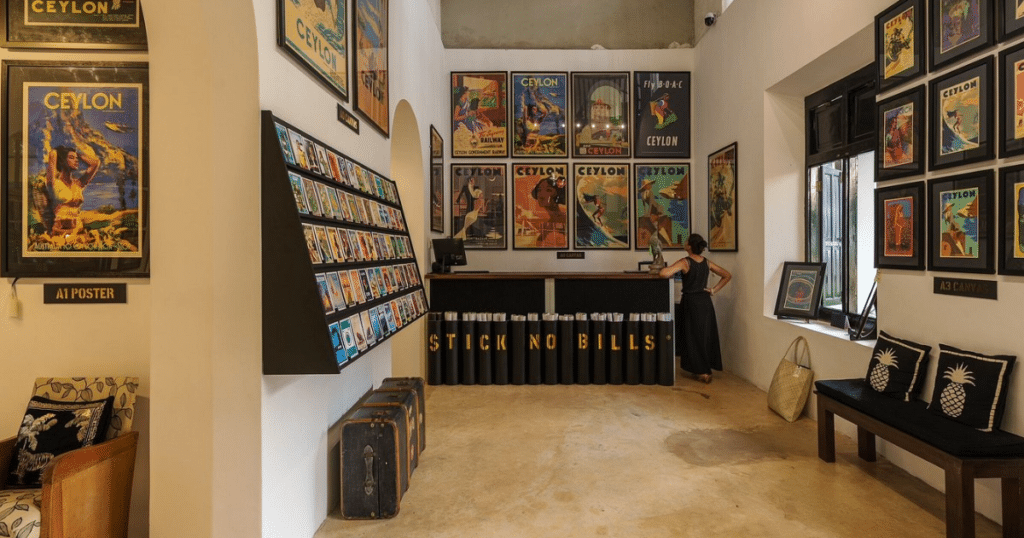
Modern Galle Fort has developed a sophisticated creative and hospitality scene without losing its historic setting. Former colonial buildings now house independent boutiques, jewellery stores, art galleries, design studios, cafés, restaurants, and small luxury hotels. The most interesting spaces are often found inside restored houses where original courtyards, timber elements, and old walls have been incorporated into contemporary interiors.
This mixture of old and new is part of what makes the fort different from a conventional museum district. You can move from a centuries-old church to a contemporary gallery, then continue down a narrow historic lane for dinner.
Experience Galle Fort After Dark
Galle Fort changes considerably after sunset. The heat of the afternoon eases, restaurants become livelier, and the old streets take on a quieter atmosphere. Rather than attempting to see every landmark during daylight, consider returning after sunset for dinner and an evening walk.
The combination of restored colonial architecture, intimate courtyards, atmospheric lighting, and the sound of the ocean creates a very different impression from the daytime fort. For a refined evening, choose a restaurant or heritage hotel with an internal courtyard or rooftop setting, then finish with a walk along the quieter ramparts.
Experience Galle Fort with The Serendipity Experiences
Galle Fort rewards a slower approach. Its significance is not limited to individual monuments; it lies in the relationship between the ramparts, streets, houses, churches, courtyards, harbour, and ocean.
At The Serendipity Experiences, we can incorporate Galle Fort into a private southern Sri Lanka journey, with carefully timed heritage walks, refined dining, luxury accommodation, and experiences selected around your interests.
Take time to explore the fort beyond its most photographed landmarks, and you’ll discover a living historic city where Sri Lanka’s maritime past and contemporary coastal culture continue to meet.
Frequently Asked Question
Allow at least half a day if you want to see the principal sights without rushing. Three to four hours gives you enough time for the ramparts, lighthouse, historic streets, Dutch Reformed Church, selected bastions, and one or two museums or galleries.
A full day allows you to explore at a slower pace, stop for lunch, browse boutiques, visit additional heritage buildings, and return to the ramparts around sunset.
If Galle Fort is part of a luxury southern Sri Lanka itinerary, staying nearby for a night or two gives you the best opportunity to experience the town both early in the morning and after the day visitors have left.
The cooler hours of the day are the most comfortable for walking the fort. Early morning is particularly peaceful, while late afternoon provides better conditions for exploring the ramparts and staying for sunset.
The southwest coast generally experiences its wetter period during the southwest monsoon, particularly from May through September. December to April is typically a popular period for exploring the southern and southwestern coast, with drier conditions more suitable for outdoor sightseeing.
Regardless of the season, carry water, sun protection, and comfortable footwear. Much of your time in Galle Fort will be spent walking on stone streets and exposed ramparts.
Galle Fort is approximately 120 kilometres south of Colombo by road. The journey generally takes around two to three hours, depending on traffic and whether you travel via the Southern Expressway. A private transfer is the most convenient option if you are incorporating Galle into a wider Sri Lanka itinerary.
Galle Fort is approximately 35 kilometres from Mirissa, usually taking around 45 minutes to one hour by road. The two destinations combine particularly well in a southern coast itinerary, allowing you to pair Galle’s heritage with Mirissa’s beaches and marine experiences.
Galle Fort is famous for its Portuguese and Dutch colonial heritage, historic fortifications, ocean-facing ramparts, distinctive architecture, and its UNESCO World Heritage status. The fort is also known for the Galle Lighthouse, Dutch Reformed Church, historic bastions, museums, galleries, boutiques, and restaurants housed within restored buildings.
Yes. Galle Fort is compact enough to explore independently, and many of its principal attractions are within walking distance. However, a knowledgeable heritage guide can provide valuable context about the fortifications, architecture, colonial history, religious buildings, and lesser-known details that are easy to overlook.
There is no general entrance fee simply to walk through the streets of Galle Fort or along its public ramparts. Individual museums, attractions, and certain sites within the fort may have their own admission charges.
Lightweight clothing and comfortable walking shoes are ideal because the fort involves considerable walking over stone streets and exposed ramparts. If you plan to enter churches or other religious sites, modest clothing is recommended.
The fort is known for independent boutiques selling jewellery, contemporary art, Sri Lankan handicrafts, textiles, antiques, homeware, and locally designed products. Many shops operate from restored historic buildings, making shopping part of the wider architectural experience.
Yes. Galle Fort can comfortably be explored as a half-day or full-day excursion from Colombo or as part of a southern coast itinerary. Staying nearby, however, allows you to experience the fort during quieter morning hours and return after sunset when the streets take on a different atmosphere.