

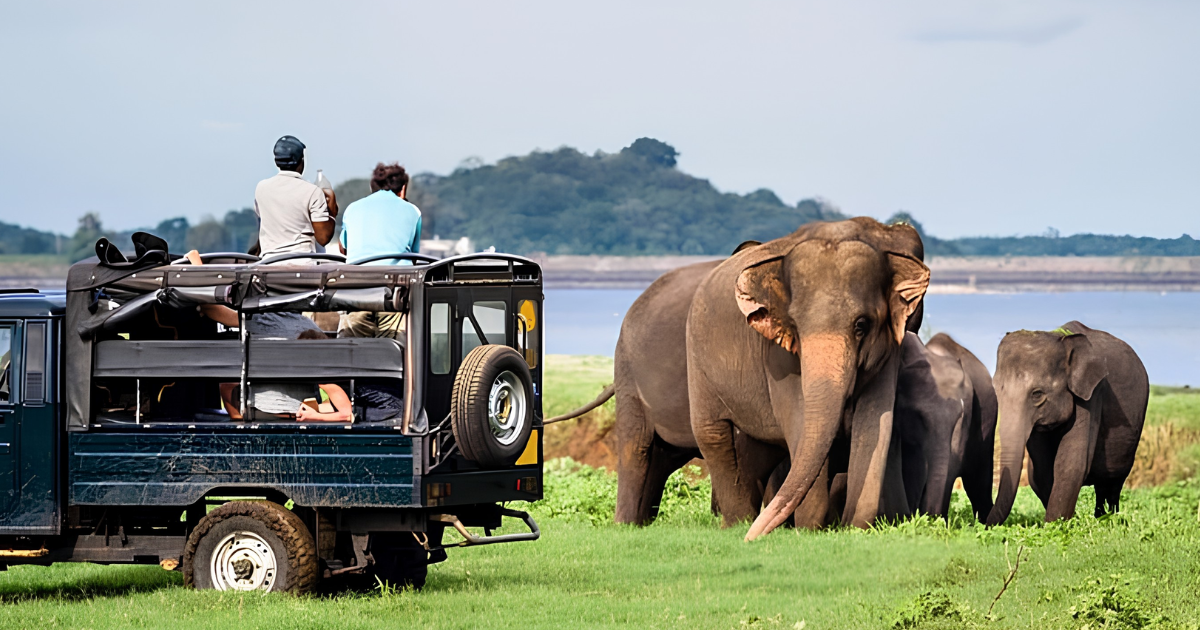
Best Wildlife Safaris in Sri Lanka: A Guide to the Island’s Most Extraordinary National Parks
Sri Lanka is one of the few places in the world where you can encounter leopards, elephants, sloth bears, crocodiles, whales, and hundreds of bird species within a single journey. Despite covering just 65,000 square kilometres, the island is home to 26 national parks and a remarkable diversity of ecosystems, from dry-zone scrublands and ancient forests to wetlands and coastal lagoons. For wildlife enthusiasts, this compact island offers one of Asia’s richest safari experiences.
At The Serendipity Experiences, we curate private safari journeys that go beyond traditional game drives. Working with experienced naturalists and carefully selected accommodation, we create immersive wildlife experiences tailored to your interests, whether your priority is leopard tracking, elephant encounters, bird watching, or photography.
Yala National Park
Located approximately 300 kilometres southeast of Colombo, Yala National Park can be reached in around five to six hours by road or by a short domestic flight followed by a transfer. Covering more than 970 square kilometres, it is Sri Lanka’s second-largest national park and the country’s most famous safari destination.
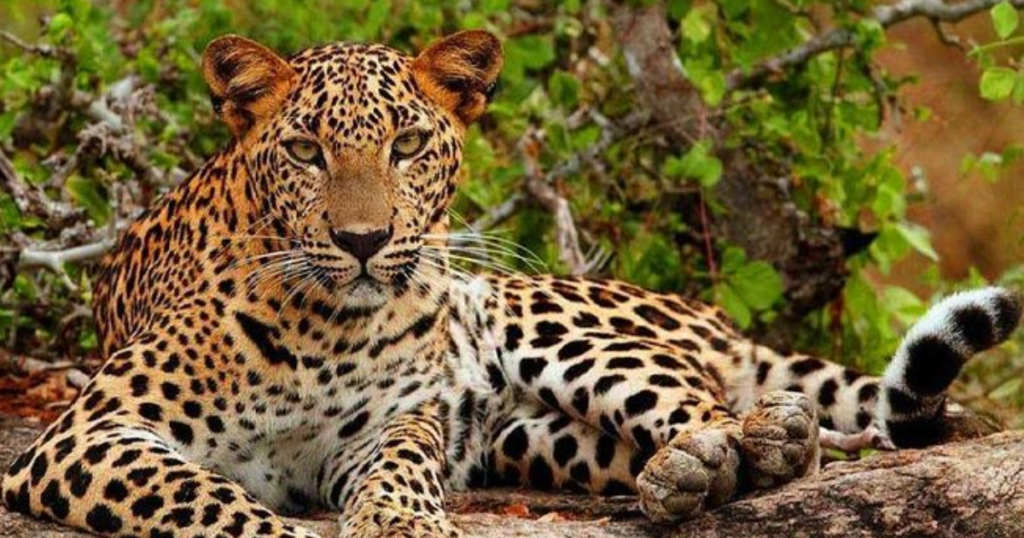
Yala is internationally recognised for having one of the highest leopard densities in the world. While sightings can never be guaranteed, visitors have an excellent chance of encountering these elusive big cats, particularly during early morning and late afternoon game drives.
Beyond leopards, Yala supports thriving populations of Asian elephants, sloth bears, spotted deer, sambar deer, wild boar, water buffalo, crocodiles, jackals, mongooses, and over 200 bird species. Raptors such as Crested Serpent Eagles and White-bellied Sea Eagles are frequently seen soaring above the park, while colourful kingfishers, bee-eaters, and painted storks add vibrant contrast to the dry landscape.
The best time to visit Yala is generally between February and July, when water levels are lower, and wildlife gathers around reservoirs. Block 1, the park’s most visited section, occasionally closes for maintenance during September, allowing habitats to recover before reopening.
Wilpattu National Park
Around four hours north of Colombo lies Wilpattu National Park, Sri Lanka’s largest national park and one of its most rewarding safari destinations for travellers seeking a quieter experience. Unlike Yala’s open plains, Wilpattu is characterised by dense forest, natural lakes known as villus, and sandy tracks that create a more secluded atmosphere.
Wilpattu offers excellent opportunities to spot Sri Lankan leopards in a less crowded setting. Visitors also frequently encounter sloth bears, Asian elephants, spotted deer, crocodiles, jackals, and a remarkable variety of birds associated with the park’s wetlands.
The ideal time to visit is between February and October, when dry conditions make wildlife easier to observe. Following the northeast monsoon, some roads may become inaccessible, particularly during November and December.
Udawalawe National Park
If your priority is seeing elephants, few places compare to Udawalawe National Park. Situated approximately 165 kilometres from Colombo, the park can be reached in around three and a half to four hours, making it one of the most accessible safari destinations in southern Sri Lanka.
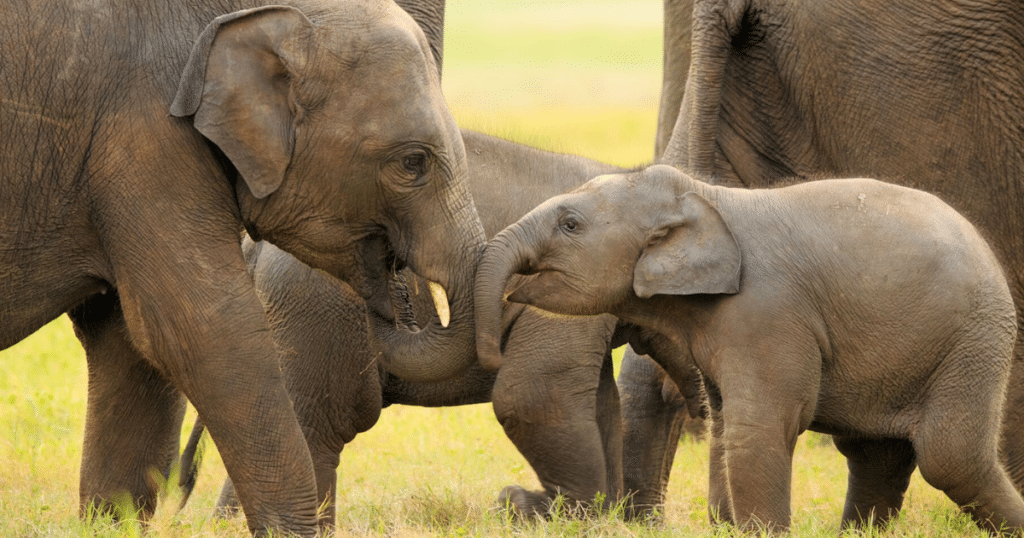
Udawalawe is home to an estimated population of more than 600 Asian elephants, and sightings are exceptionally reliable throughout the year. It is common to observe family herds grazing across open grasslands, calves walking alongside their mothers, and solitary bulls feeding near reservoirs.
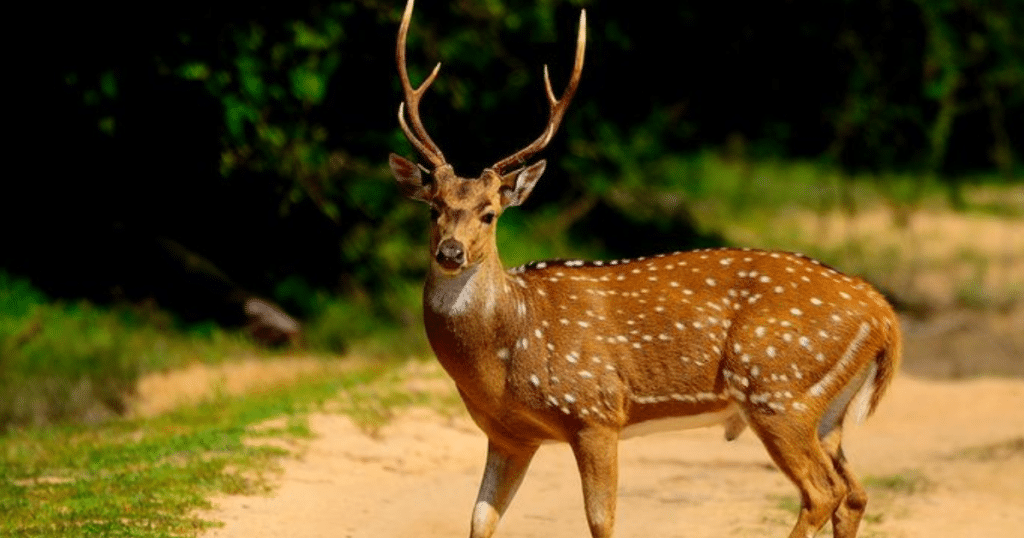
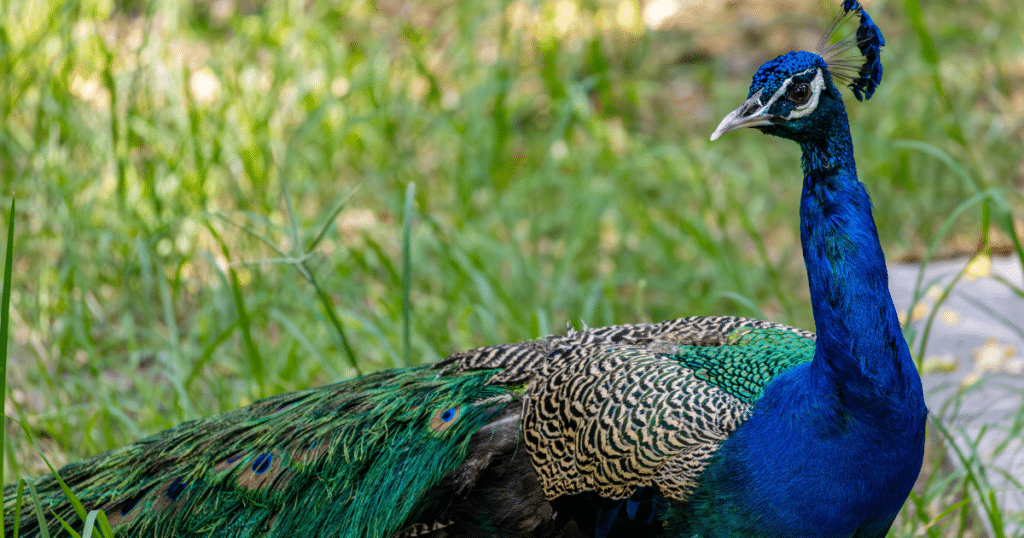
The park also supports water buffalo, crocodiles, jackals, spotted deer, macaques, langurs, and over 200 bird species, including Changeable Hawk-Eagles, peacocks, painted storks, and bee-eaters.
A visit to the nearby Elephant Transit Home can complement the safari experience by providing insight into Sri Lanka’s elephant conservation efforts and rehabilitation programmes for orphaned calves.
Minneriya National Park
Among Asia’s greatest wildlife spectacles, The Gathering at Minneriya National Park is an experience unlike any other. Located approximately 180 kilometres from Colombo, the park is around four and a half hours away by road and forms part of Sri Lanka’s Cultural Triangle.
Between July and October, hundreds of wild elephants migrate towards the ancient Minneriya Tank as surrounding water sources begin to dry up. During peak months, visitors may witness over 200 elephants feeding, bathing, and socialising around the reservoir, making it one of the largest seasonal gatherings of Asian elephants anywhere in the world.
The surrounding grasslands also attract sambar deer, toque macaques, grey langurs, crocodiles, and numerous waterbirds.
Kumana National Park
Situated on Sri Lanka’s southeastern coast, Kumana National Park is often overshadowed by neighbouring Yala but is regarded as one of the island’s finest destinations for birdlife. Approximately seven to eight hours from Colombo, the park rewards those willing to travel further with peaceful landscapes and exceptional biodiversity.
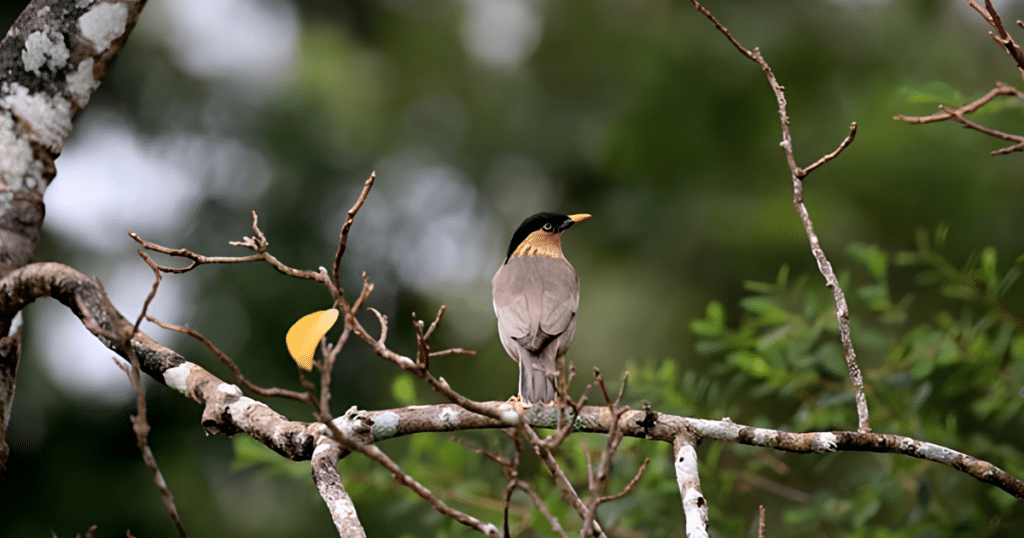
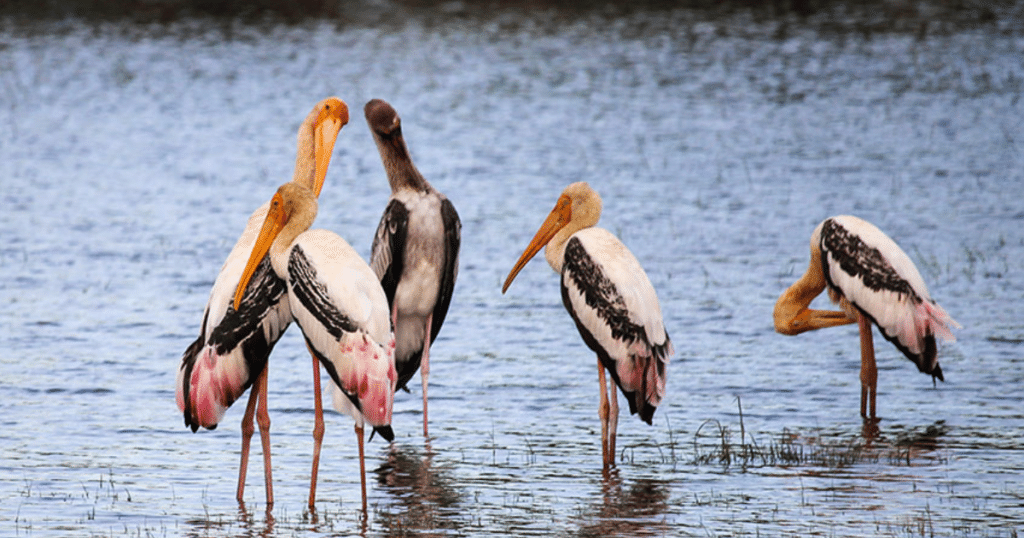
Kumana’s extensive wetlands attract thousands of nesting and migratory birds each year. Painted Storks, Black-necked Storks, Openbill Storks, pelicans, spoonbills, egrets, ibises, and Brahminy Kites are regularly observed throughout the park. Leopards, elephants, crocodiles, and wild boar are also present, creating an excellent combination of birding and safari experiences.
The breeding season between April and July is particularly rewarding for bird enthusiasts.
Bundala National Park
Located close to Yala, Bundala National Park is Sri Lanka’s first Ramsar Wetland and one of the country’s most important habitats for migratory birds. Around five hours from Colombo, it is an excellent destination for travellers interested in combining traditional safaris with bird watching.
During the migratory season between November and March, thousands of Greater Flamingos arrive alongside Eurasian Spoonbills, Painted Storks, pelicans, herons, and countless other wetland species. Marsh crocodiles, monitor lizards, elephants, and fishing cats also inhabit the park, although birdlife remains its greatest attraction.
Gal Oya National Park
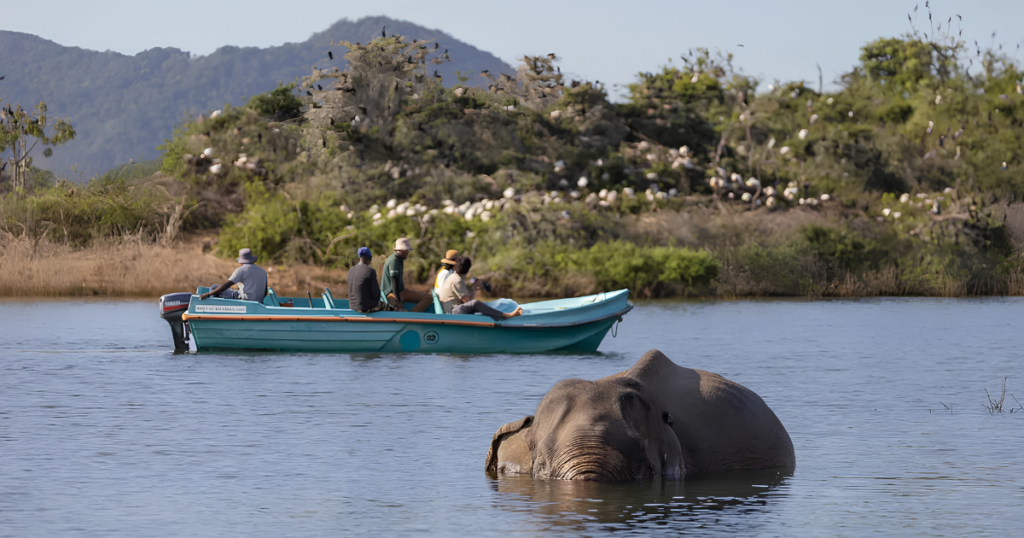
For travellers seeking an experience away from the usual safari circuit, Gal Oya National Park offers something entirely different. Approximately seven hours from Colombo, this remote protected area surrounds the vast Senanayake Samudraya reservoir and is one of the few places in Sri Lanka where boat safaris are possible.
The park is famous for elephants swimming between islands in search of fresh grazing, a behaviour rarely witnessed elsewhere on the island. Boat safaris also provide opportunities to observe crocodiles, white-bellied sea eagles, kingfishers, cormorants, and otters from a completely different perspective.
Combined with guided nature walks led by members of the indigenous Vedda community, Gal Oya offers one of Sri Lanka’s most immersive wildlife experiences.
Tips for the Best Safari Experience in Sri Lanka
- Choose an early morning safari for the best chance of seeing active wildlife and enjoying cooler temperatures.
- Opt for a private jeep safari if possible, giving you the flexibility to spend more time at sightings and follow your guide’s expertise.
- Wear neutral-coloured clothing such as khaki, olive, or beige to blend into the natural surroundings and avoid startling animals.
- Bring binoculars and a telephoto camera lens to observe and photograph wildlife from a safe distance.
- Carry sun protection and water, including a hat, sunscreen, and plenty of drinking water, especially during warmer months.
- Keep noise to a minimum and follow your guide’s instructions to avoid disturbing wildlife and maximise your chances of memorable encounters.
- Be patient and observant. Every safari is unique, and some of the most rewarding wildlife sightings happen when you least expect them.
Experience Sri Lanka’s Wildlife with The Serendipity Experiences
A safari in Sri Lanka is about far more than spotting iconic animals. It is an opportunity to experience ancient landscapes, observe remarkable wildlife in its natural habitat, and gain a deeper appreciation for one of Asia’s richest biodiversity hotspots.
At The Serendipity Experiences, we design bespoke wildlife journeys that combine expertly guided safaris, carefully selected luxury accommodation, and personalised itineraries tailored to your interests.
If you’re ready to discover the best wildlife safaris in Sri Lanka, our team is here to create a journey designed entirely around you.
Frequently Asked Questions
Yala National Park offers one of the highest leopard densities in the world, making it the top choice. Wilpattu is a quieter alternative with equally good sighting opportunities.
It depends on the park. February to July works well for Yala, July to October for the Elephant Gathering at Minneriya, and November to March for migratory birds at Bundala. Udawalawe is rewarding year-round.
Udawalawe is the most reliable, with over 600 elephants and sightings virtually guaranteed. For a grander spectacle, visit Minneriya between July and October to witness hundreds of elephants gathering around the reservoir.
Yes, exceptionally so. Kumana is the standout destination, especially during the April to July breeding season. Bundala attracts thousands of migratory birds including Greater Flamingos between November and March.
Wear neutral colours like khaki or olive. Bring sunscreen, a hat, water, binoculars, and a telephoto lens. Book an early morning game drive for the best wildlife activity and cooler temperatures.